Honda Prelude – The Return of Composed Machines
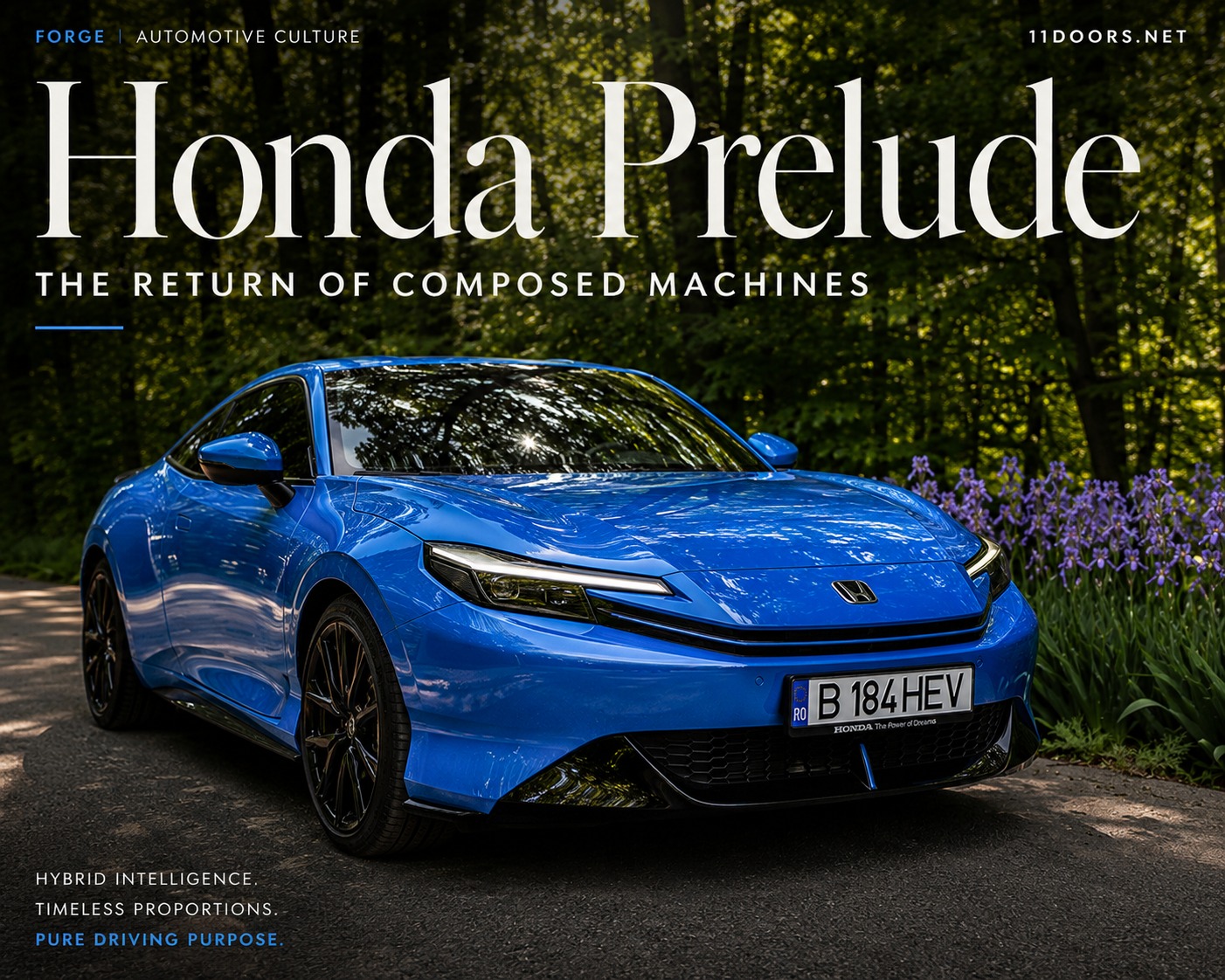
There is something deeply interesting about the return of the Honda Prelude, and it has very little to do with nostalgia.
The Prelude is elegantly discreet and does not arrive screaming for attention. It does not come dressed like a military vehicle pretending to be luxury. It does not perform aggression for algorithms, nor does it try to cosplay rebellion for social media thumbnails. In a market obsessed with oversized presence, artificial masculinity and endless visual noise, Honda quietly releases a coupe that understands proportion again.
That alone makes it culturally relevant.
The new Prelude feels less like an automotive launch and more like the return of design discipline. Not retro theatre. Not heritage merchandising. No futuristic cosplay.
And perhaps that is why some people misunderstand it at first glance. We have been trained to associate seriousness with visual heaviness. Massive grills, fake vents and sharp hostility. The modern automotive industry often behaves like social media architecture: louder means more important.
The Prelude refuses this logic.
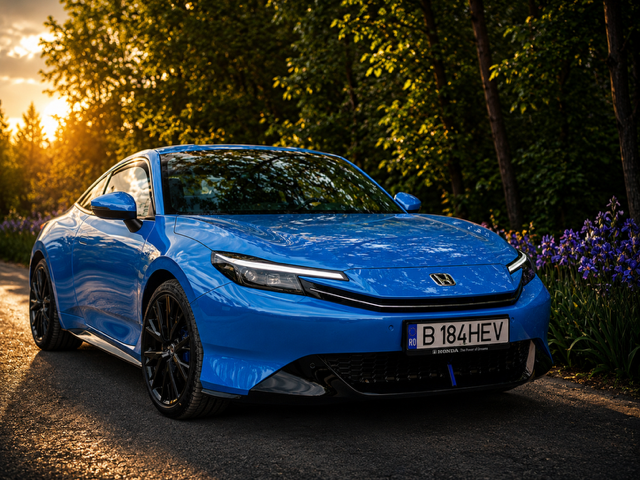
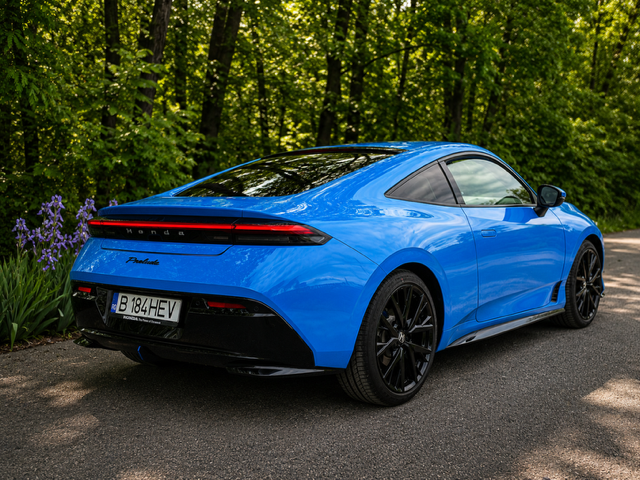
It is low, elegant, aerodynamic and strangely calm. The lines are uninterrupted. The silhouette carries continuity instead of fragmentation. Even the blue itself, Racing Blue Pearl, avoids cold futurism. It feels alive and emotional without becoming childish.
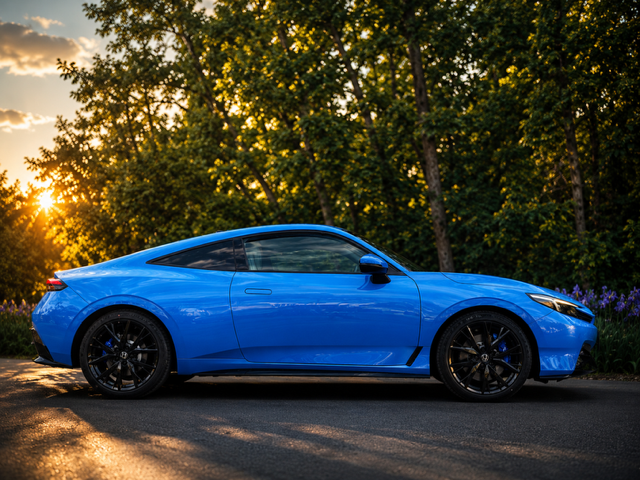
This is not a car designed to intimidate the road. It is a machine designed to move through it intelligently and elegantly. And that distinction matters more than the power many people try to associate their identity with. Technology does not mean power alone. Posture, composition and lightness.
Honda historically understood something many brands forgot during the last decade of spectacle: engineering is also behavioural philosophy. The way a car carries your nervous system matters. The way it enters a corner, absorbs movement, reflects light, or creates silence around the driver matters. The low center of gravity, controlled weight distribution and disciplined aerodynamic profile create something increasingly rare in modern mobility: a car that calms instead of overstimulates.
Japanese automotive culture historically pursued precision through reduction, not excess. The Prelude belongs to that lineage, where engineering refinement emerges from subtraction, balance and long-term behavioural intelligence rather than visual domination.
That is exactly where the Prelude sits culturally.
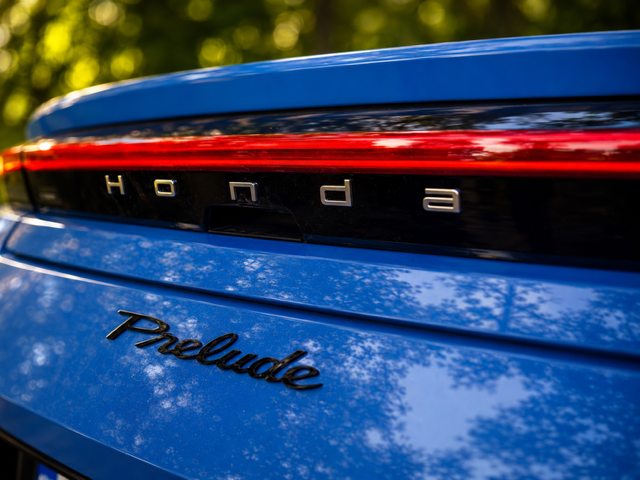
The car returns with Honda’s e:HEV architecture, adaptive systems, intelligent restraint and a design language that looks almost architectural instead of theatrical. The proportions are disciplined. The rear light bar is continuous and composed. The cabin avoids visual chaos and even the surfaces reflect nature beautifully instead of breaking it into unnecessary tension.
And maybe this is why the Prelude feels strangely mature in an age of over-designed machines. It remembers that elegance does not need permission from noise, algorithms and crowds pitching power as their own image.
The name itself also remains brilliant. A prelude is not the climax. It is the intelligent opening movement before something larger unfolds. A controlled beginning and a gesture of intent.
Honda choosing this name again during the transition toward hybrid and electric futures feels almost philosophical. Especially because the car avoids the nostalgia traps. No exaggerated references to the 1990s. No forced retro rebellion. No emotional drag into the past, but an elegant transfer of memory and continuity with dignity. Something much harder to achieve.
Prelude therefore becomes more than a coupe. It becomes a quiet cultural correction. A reminder that technology can still have manners. That performance does not require barbarism. That elegance and engineering can still coexist without screaming at each other.
And perhaps this is the most beautiful thing about the new Prelude. It arrived as memory with momentum.