Football Is a Game. The World Cup Is Where Cultures Discover Their Level
Football has always been presented as the simplest of games. Twenty-two players, one ball, ninety minutes and a scoreboard that appears to settle everything that matters. Yet anyone who has observed enough World Cups eventually realizes that the football itself occupies only a surprisingly small portion of the show. Around those ninety minutes unfolds something far larger, something that resembles less a sporting tournament than a temporary reconstruction of the international order, where economies, governments, corporations, broadcasters, technologies, historical memories and collective identities all converge under the convenient excuse of a game.
The pitch is merely the visible surface. Beneath it operates an architecture that has been built for years, sometimes decades, before a single whistle is blown. Every national team arrives carrying far more than tactical systems or gifted players. It carries classrooms that educated its children, academies that shaped discipline, federations that rewarded or discouraged competence, sponsors that decided where investment should flow, journalists who manufactured expectation, politicians eager to borrow legitimacy from victory, businesses that transformed passion into industry and, perhaps most invisibly of all, a culture’s accumulated relationship with responsibility, hierarchy, preparation and rules. The players touch the ball, but the culture touches everything surrounding it.
This is why the World Cup has become one of the rare global moments in which countries unknowingly present themselves for examination. Not because anyone explicitly judges them, but because billions of observers simultaneously witness how they behave when attention, money, pressure and symbolism reach extraordinary levels. Talent still matters, of course, but talent has always been the easiest resource to recognize. The more interesting question is whether a nation possesses the institutional maturity capable of protecting that talent from its own weaknesses. History offers no shortage of brilliant generations defeated not by stronger opponents but by administrative confusion, internal rivalries, unstable leadership or cultures that celebrated genius while quietly neglecting organization.
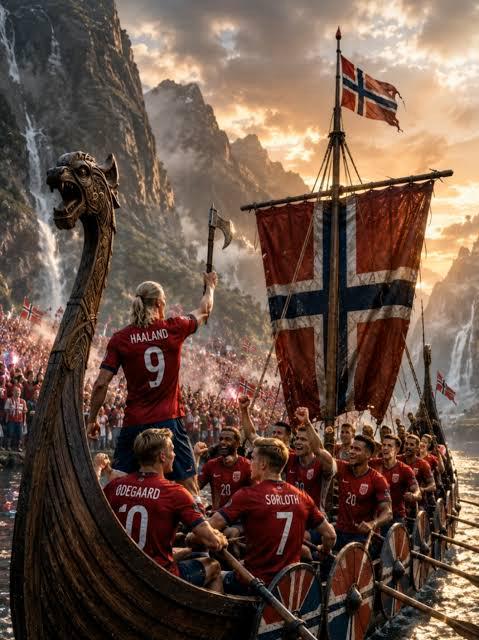
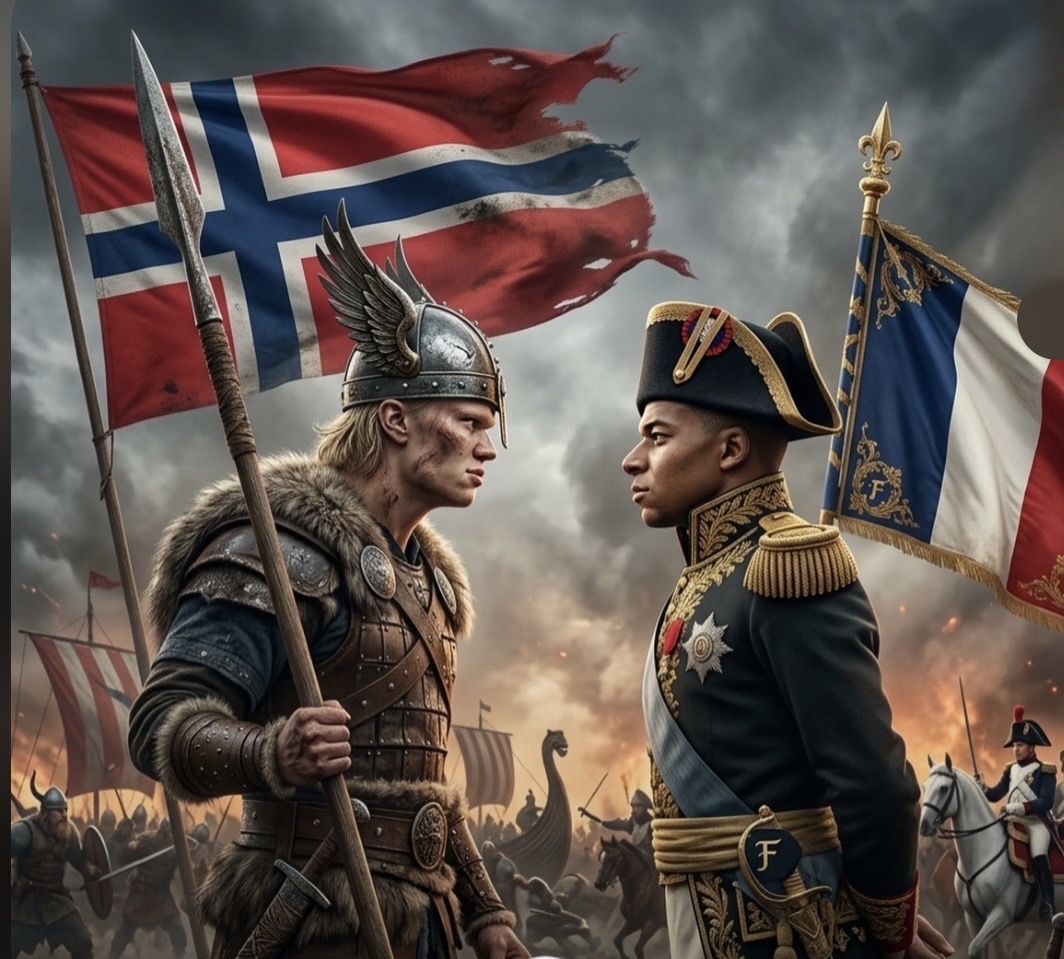
Modern tournaments have added another layer that scarcely existed a generation ago. Alongside the official competition runs a second championship that never appears in FIFA statistics yet shapes global perception almost as powerfully as the matches themselves. Memes travel faster than highlights. A single facial expression can become more internationally recognizable than an entire tactical performance. One awkward celebration, one controversial decision, that only Donald Trump can pull, or one emotional reaction can circulate through billions of screens before analysts have even completed their post-match discussion.
Digital culture has created its own unofficial league table in which nations compete not only for trophies but also for narrative, symbolism and reputation. Long before history decides who played the better football, the internet has already decided who became the story.
Politics inevitably follows and it rrarely enters wearing a suit. More often it disguises itself as choreography, gestures, flags, carefully chosen absences, diplomatic photographs, historical grievances revived by chants, maps displayed in broadcasts or symbolic controversies that appear insignificant until one remembers that the World Cup compresses almost every geopolitical relationship on Earth into a single month. Governments understand perfectly well that international tournaments produce forms of legitimacy that diplomatic speeches rarely achieve. Corporations understand that attention has become one of the world’s most valuable commodities. Media organizations understand that outrage frequently outperforms nuance. Supporters themselves become participants in an enormous theatre where identity is performed as much as it is celebrated.
The remarkable aspect is that none of these dynamics were invented by football. The tournament merely accelerates them until they become impossible to ignore, rather like placing invisible currents under stronger light. Much as financial crises expose weaknesses that existed long before markets panicked, the World Cup reveals cultural habits that have often remained hidden during ordinary times. It does not manufacture discipline, nor does it create dysfunction. It simply magnifies both.
Perhaps that is why every World Cup eventually becomes a lesson about civilization disguised as entertainment. The matches determine a champion, but the tournament quietly measures something much larger. It asks whether institutions can withstand visibility without collapsing into vanity, whether success can remain disciplined once cameras begin rewarding spectacle, whether historical memory can coexist with modern competition without descending into permanent grievance and whether cultures possess the confidence to lose without losing themselves.
Football remains the game. The World Cup is the marketplace where cultures discover what they have actually built while the rest of the world is watching.
And if the internet is to be believed, the Netherlands has already won the unofficial World Cultural Cup. Long before the final whistle, memes had crowned champions of atmosphere, supporters, anthems, orchestration and collective joy, proving once again that every World Cup runs two tournaments in parallel: the official one on the pitch and the cultural one played across billions of screens.